Your Cart is Empty

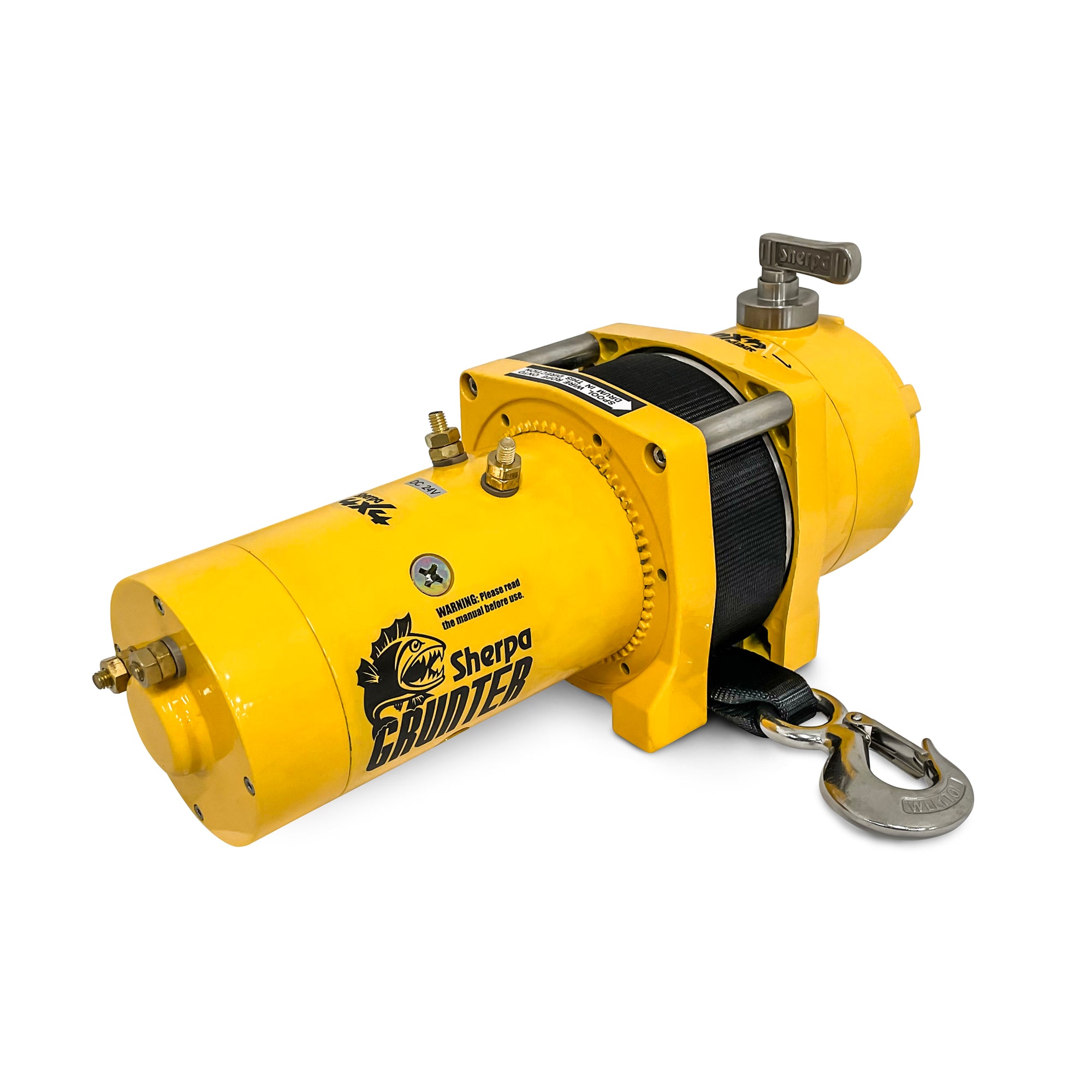
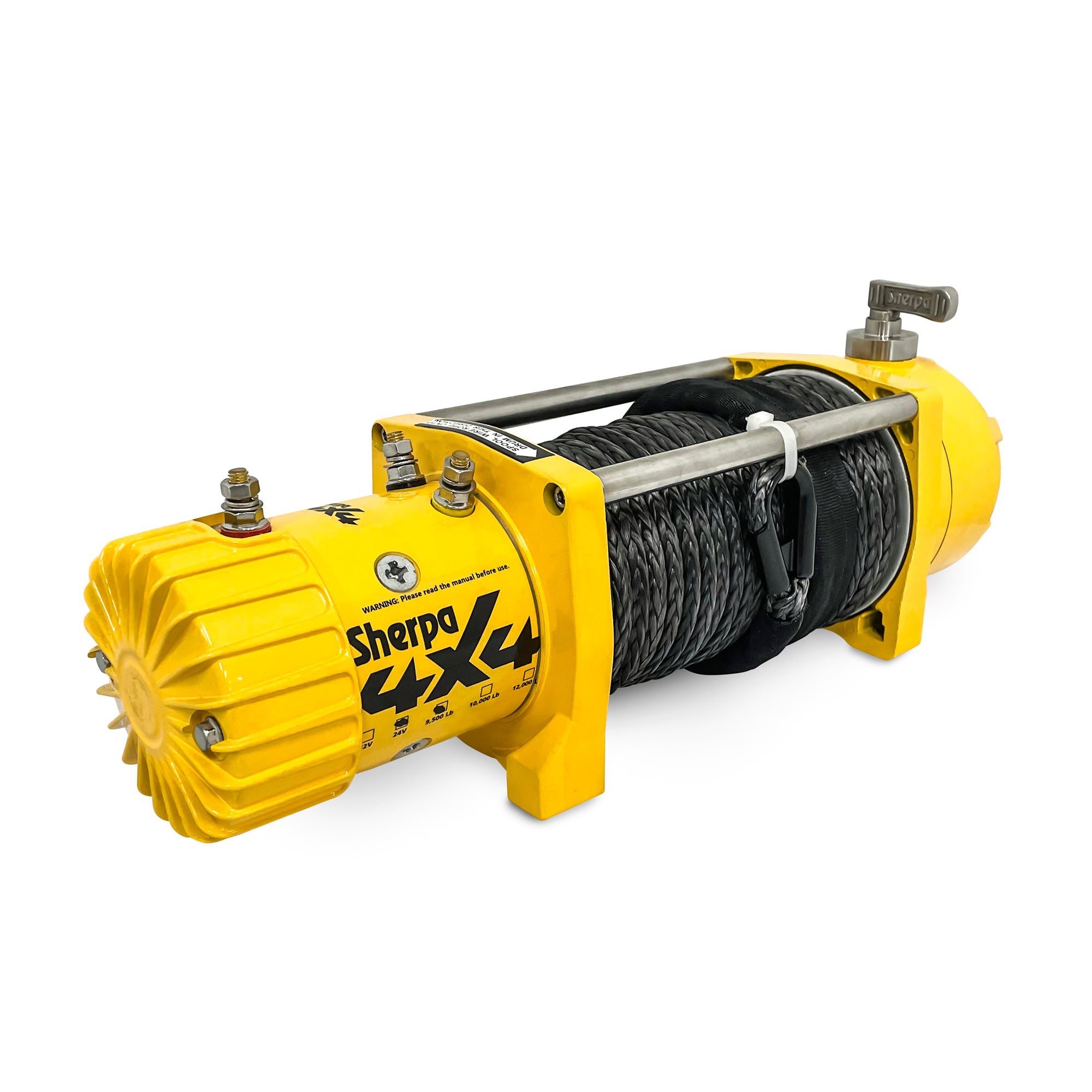
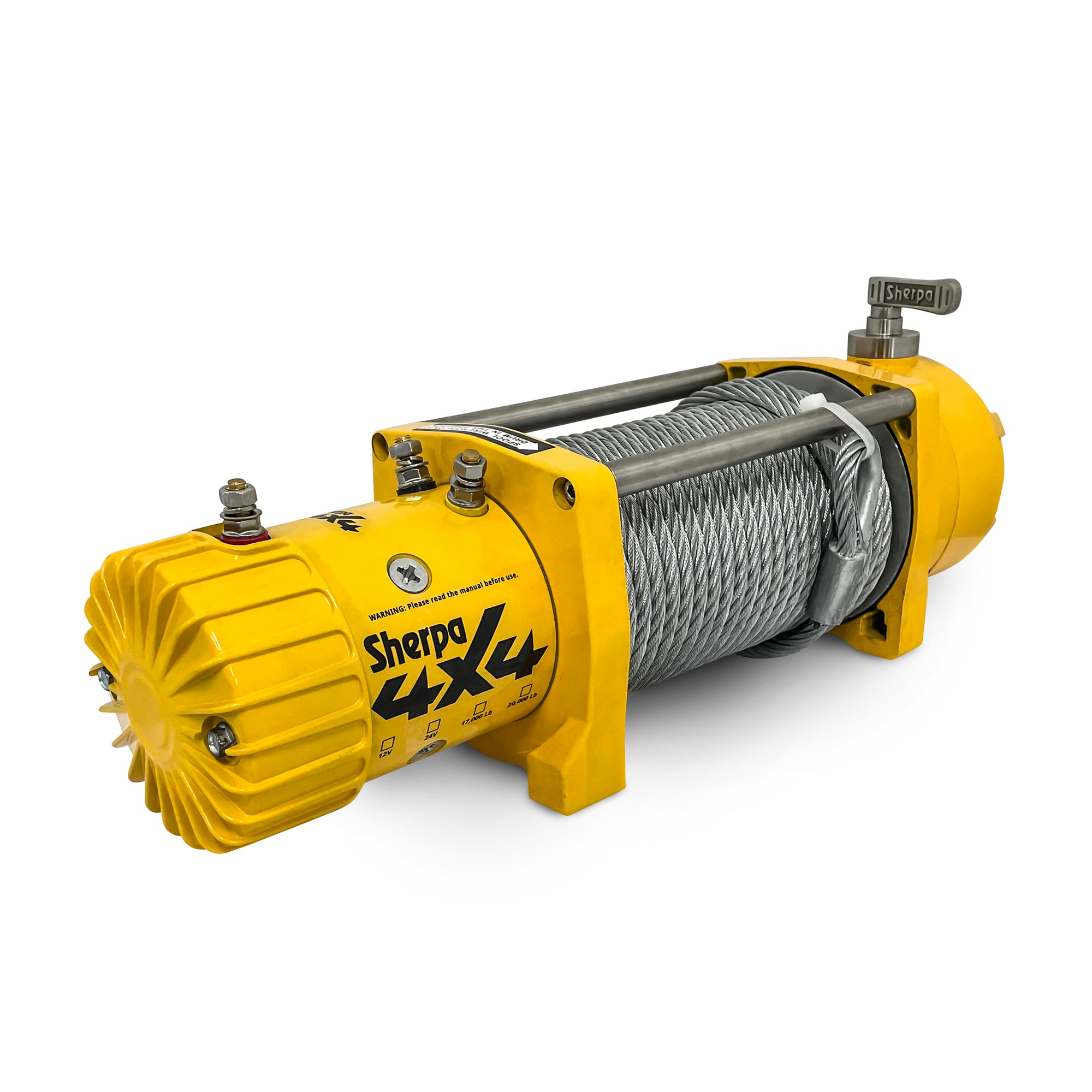
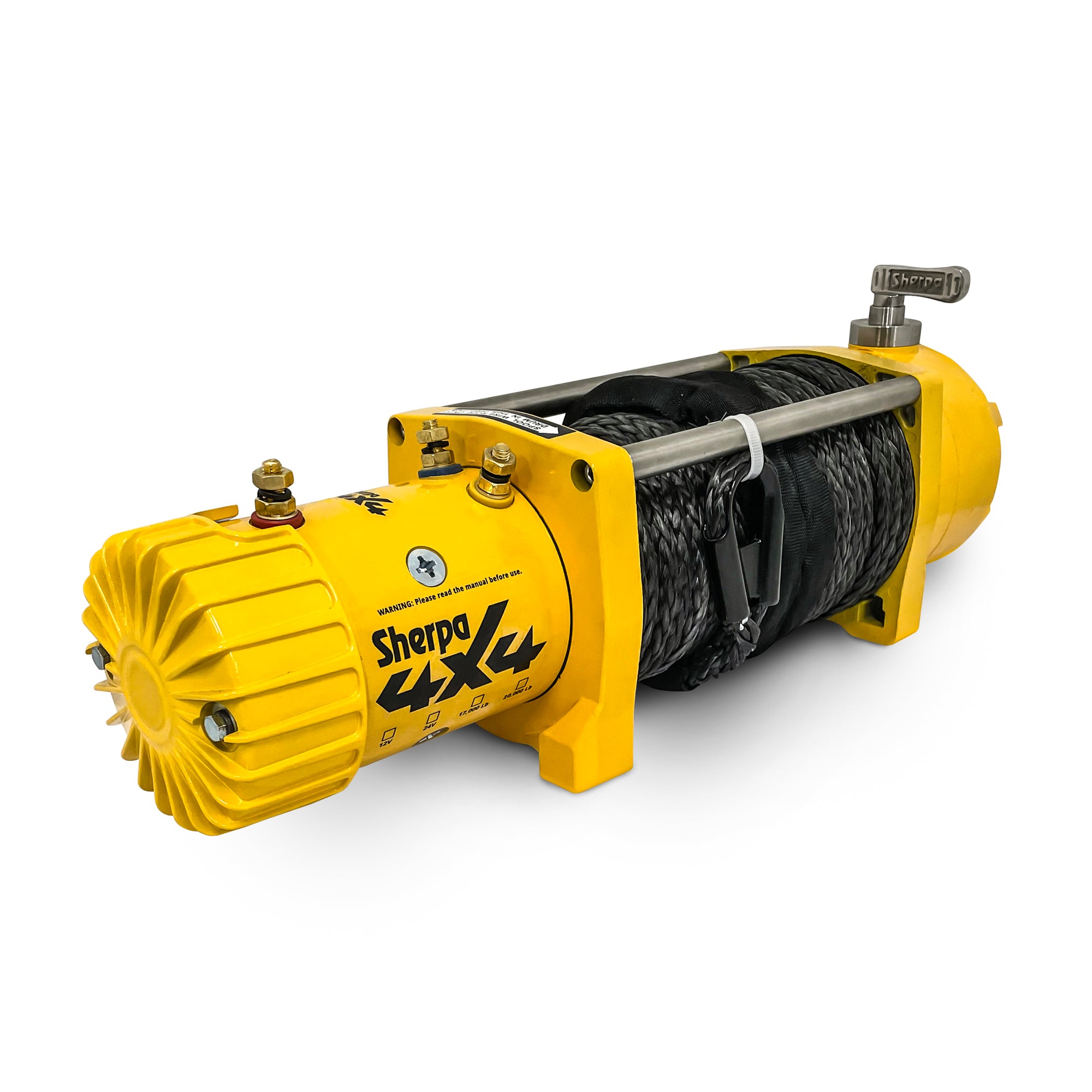
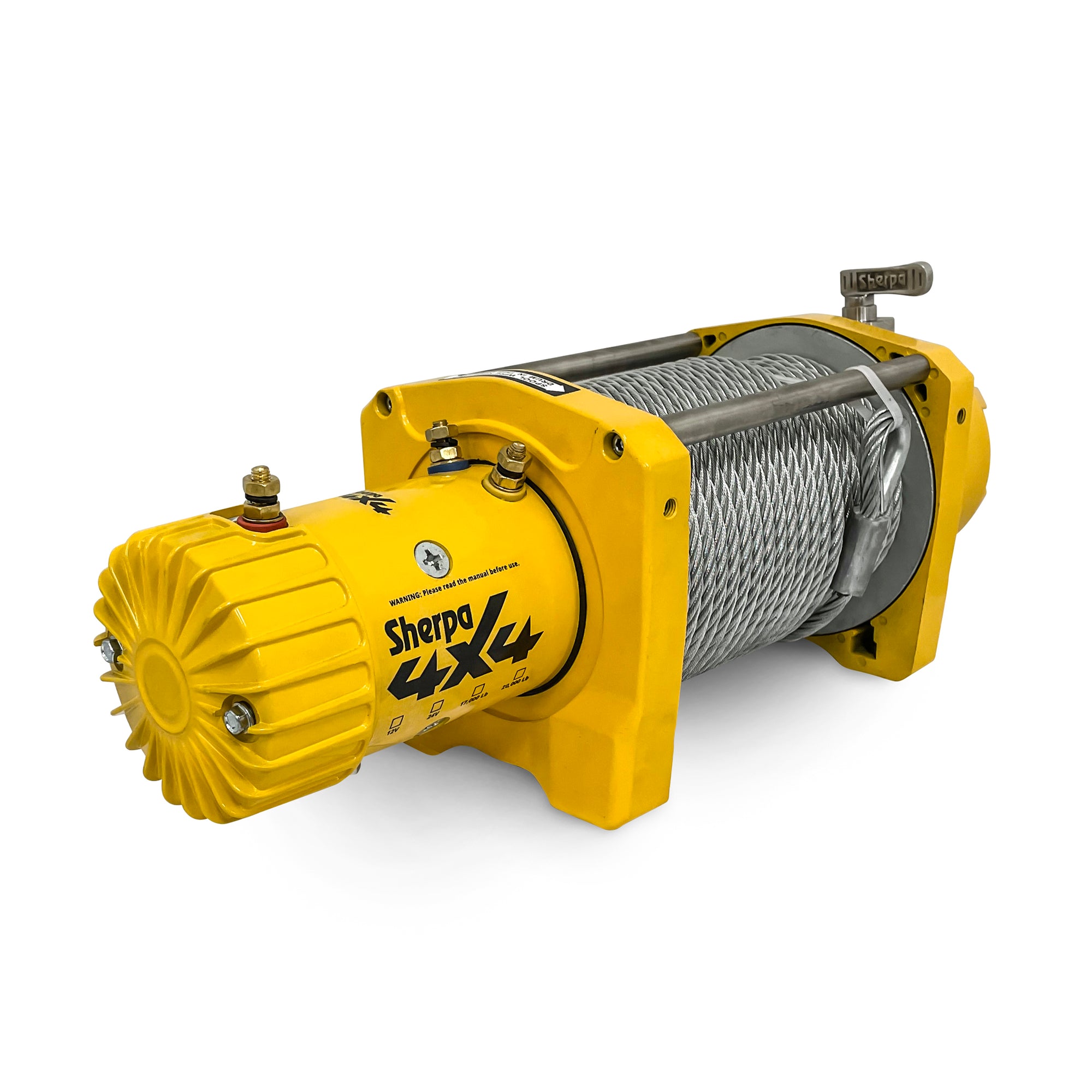
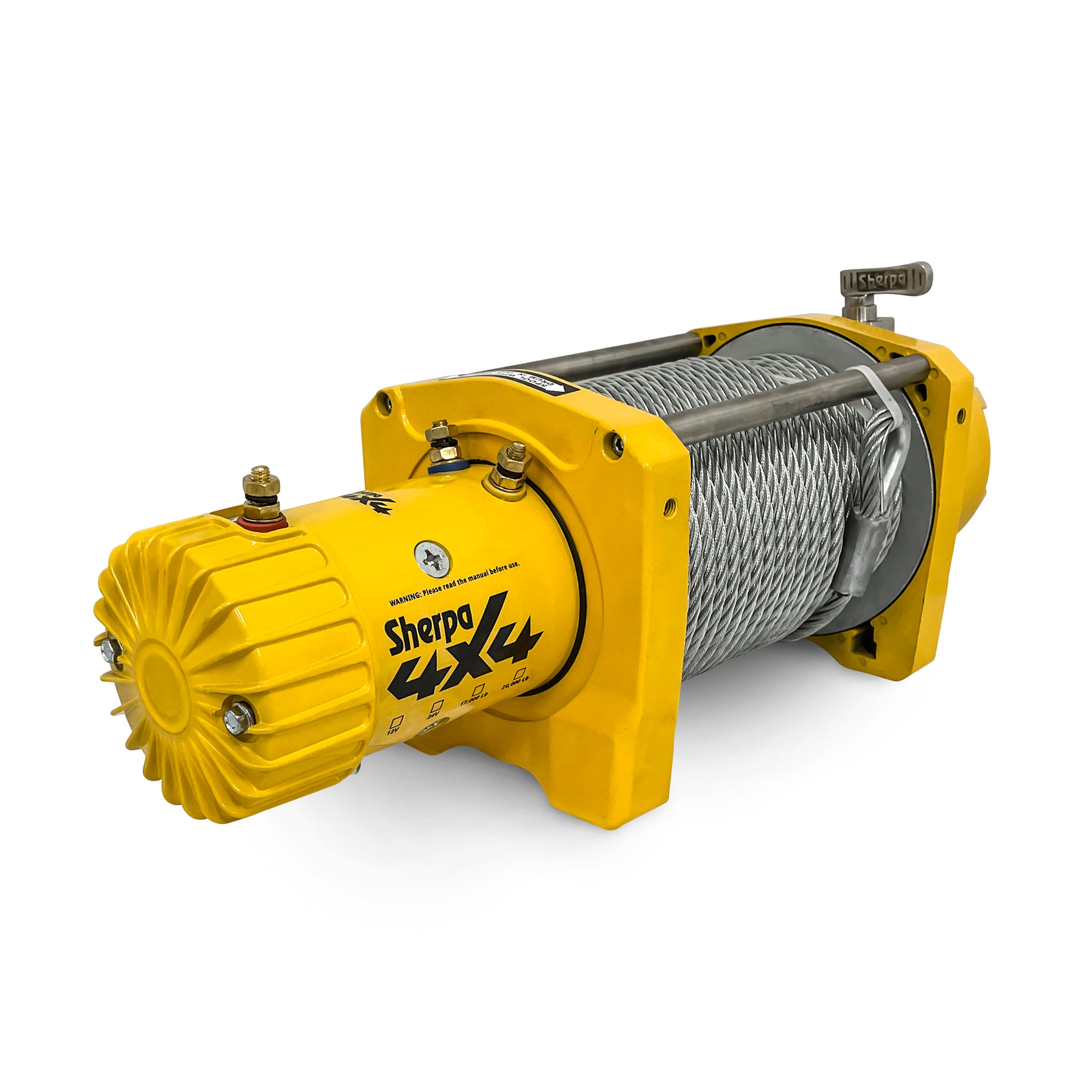
Truck, Pickup, 4x4, ATV & Boat Trailer Winches
Sherpa designs and manufactures some of the highest quality winches on the market, engineered in multiple configurations to suit your exact needs. Whether you’re hauling, recovering, or loading, Sherpa winches are built to handle the toughest jobs with ease.
Our range includes:
Truck & Pickup Winches – Perfect for Ford F-Series, Dodge, RAM, Silverado, Sierra, Tacoma, Ranger and more.
Boat Trailer Winch – Designed to suit boats of all sizes, making launching and retrieval easier and safer.
ATV Winch – Custom built for all-terrain vehicles and quad bikes, ideal for recovery and utility tasks.
The toughest winches on the market are now available with free shipping across the US. Don’t compromise on quality — get a Sherpa winch today and experience the difference.
SEE WHAT OUR CUSTOMERS HAVE TO SAY!
Sherpa 4x4 'Colt' - 12,000Lb Winch
It works flawlessly! Easy to install and operate
I have a Sherpa ATV winch and a Sherpa "Steed" winch for logging trailer, pulled behind my ATV. Both winches have been tried and heavily tested. They are a fantastic product, very durable!! No need to look anywhere else, Sherpa performs.
My stallion broke down after years of heavy use and thought I had to buy a new one. Found out it was the drive motor and just replaced it with one of these babies easy as.. Job done
Picked up one of these bundles online a while back and love this unit. Great to have on the truck for any inflation needs.
These hand winches work really well.. Grabbed one for my boat and handles it with ease.. Recommend
Bought a 4 pack a few weeks back. These are great, easy to use and look awesome. Handy to have 4 too..
Sturdy, well built and good weight to it. Can hear the quality as it ratchets. Easy company to deal with and delivery was seamless.
Awesome winch!
Aptly named......Steed
2nd Sherpa I have purchased. Just mounted it. Have not used yet. Mounted on MME bumper. Suggest mount all pieces to bumper before mount to truck. One of the cables from the controller to the motor (black) was too short and had to be lengthened (no big deal). I used 1/0 cables, so I had to remove stock positive feed to controller, drill out to accept 1/0 cable, and put back together. With the distance I had the stock cables were not big enough. Looks to be a great product. Maybe sherpa could modify controller design to accept a bigger cable with an insert when the installation requires.
This was the second time we order this winch, easy to navaigate the web page and delivery time was better than expected. On the first order i had a question about the winch and i called before they opened, didn't leave a message, and later that evening i had a gentleman call me back telling me he missed a call and wanted to know if i needed any help. Great product and Great customer service.
Although I haven’t mount my new winch yet, I can say that shipping was a lot faster than I expected
very impressed with this winch. very well built and strong winch.
love it. fast delivery to USA.
Good
Sherpa 4x4 'Stallion' - 25,000Lb Winch